The Salkantay to Inca Trail: A Magical Route to Machu Picchu
The Salkantay to Inca Trail is a magical trekking route to Machu Picchu, combining some of Peru’s most breathtaking natural landscapes with rich Inca history. Along the trail, hikers can admire the stunning Salkantay Mountain, glacial lakes, and the impressive Inca water channels built to guide water toward ceremonial centers. This journey features original Inca paths, archaeological sites, and some of the most beautiful Andean scenery in the Peruvian highlands.
The trek to Machu Picchu is available in 5, 6, or 7-day itineraries, which include the Sacred Mountain of Salkantay, Humantay Lake, and sections of the classic Inca Trail. Recently, the Ministry of Culture opened a new itinerary called Route 6 (Ruta 6), with 100 permits available per day. This route ends at Km 82, where hikers take the train to Aguas Calientes, spend the night, and visit Machu Picchu the following morning. If you are planning to hike the Inca Trail, you can contact our trusted adventure travel partners for assistance.
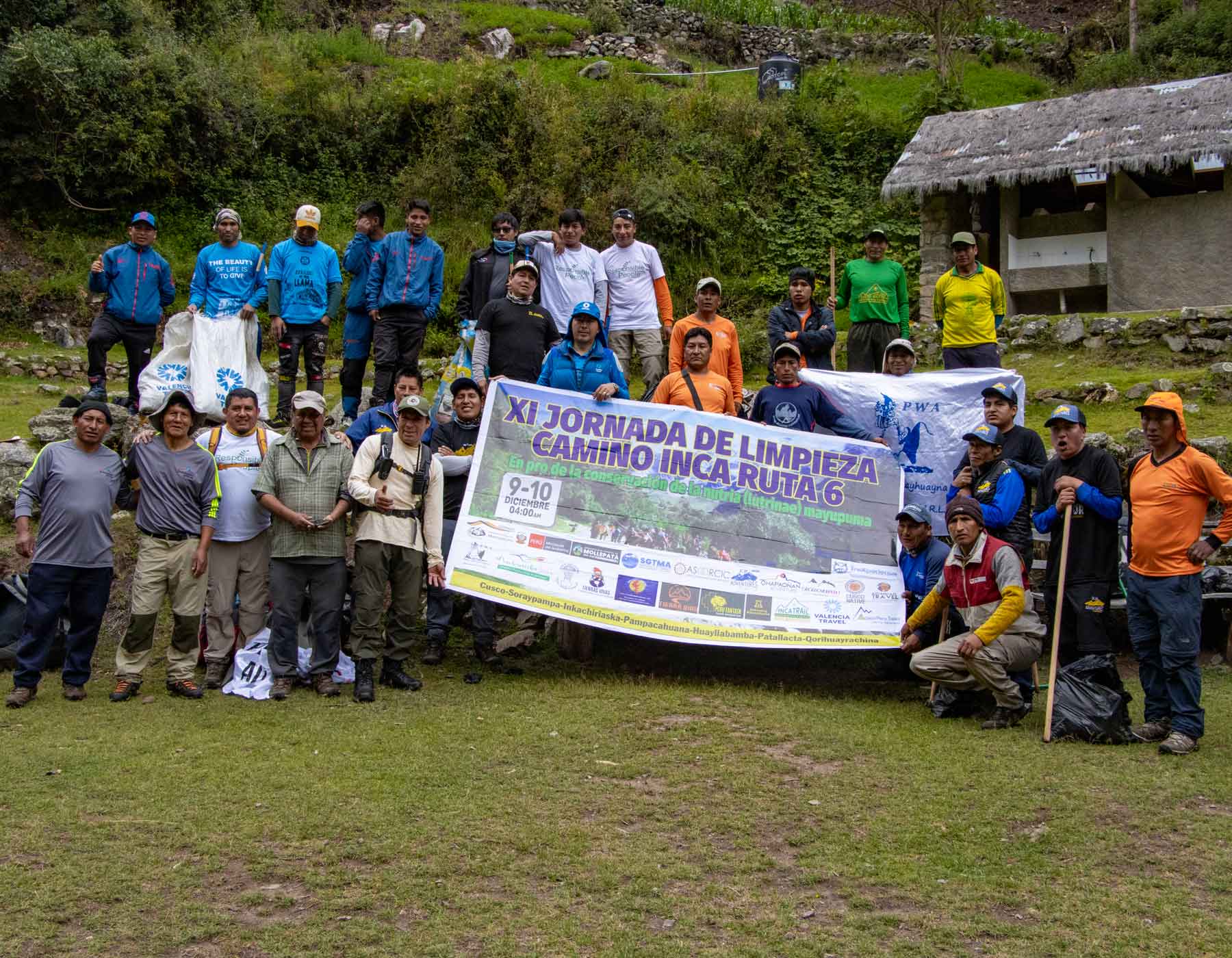
Keeping the Inca Trail Clean: Sustainable Initiatives from Salkantay to Km 82
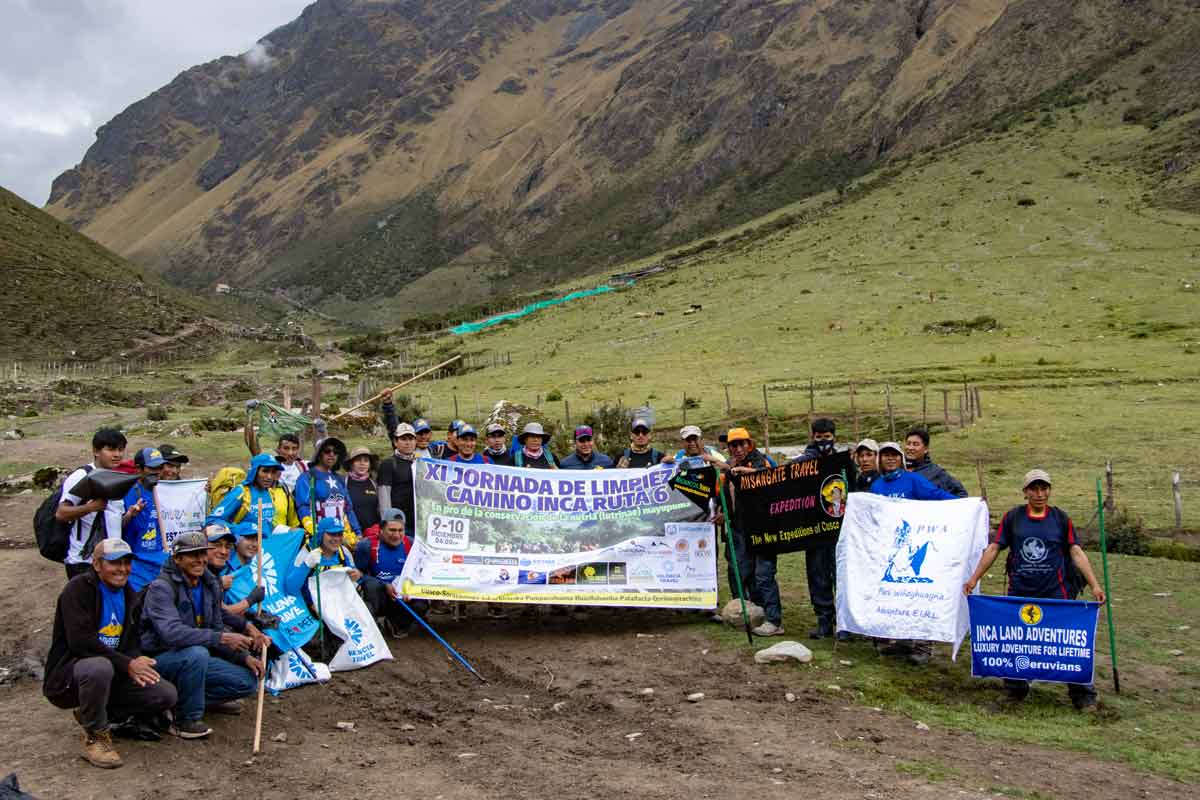
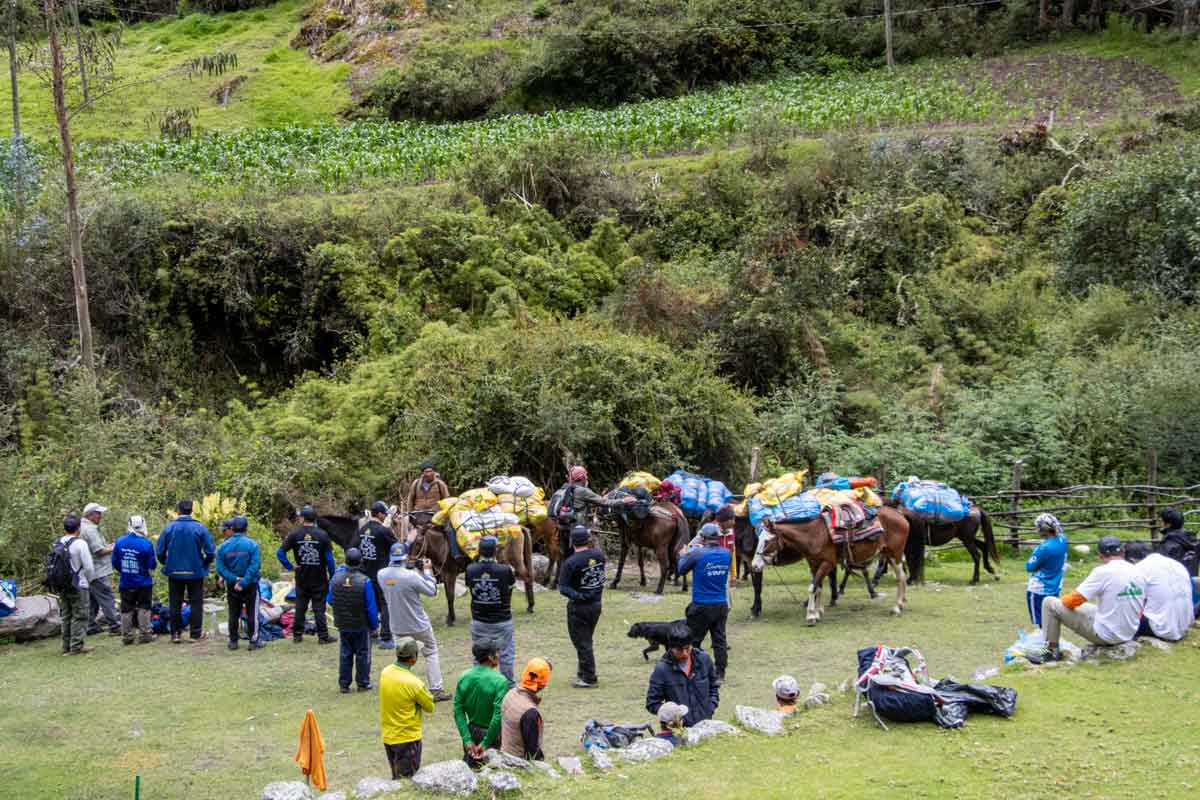
A total of 17 Inca Trail tour operators joined this important cleaning initiative, demonstrating their commitment to protecting the trail. The team included 10 tourism entrepreneurs, 17 guides, and 20 porters. Everyone worked together to clean the trail and the campsites, contributing to a friendly, supportive, and positive environment aimed at preserving the natural landscapes leading to Machu Picchu.
Inca Trail Eco-Efforts: Trail Clean-Up Led by Responsible Tour Operators
The cleanup expedition began in Cusco at 4:00 AM, with the meeting point at Plaza Regocijo. From there, the group left for Mollepata on a four-hour drive. Two smaller vehicles transported more participants to Mollepata, where everyone enjoyed breakfast and a briefing on safety measures. The team then continued for 45 minutes to Soraypampa, the official trailhead, where the cleanup work began.
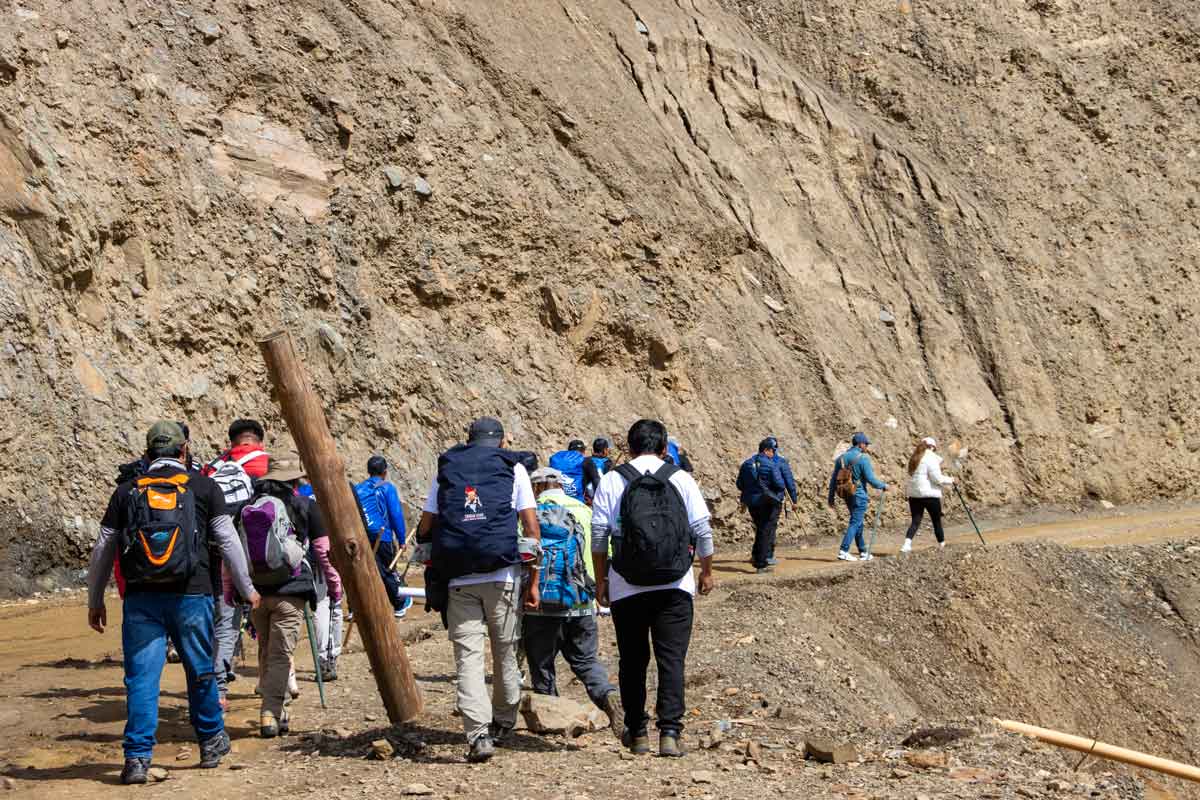
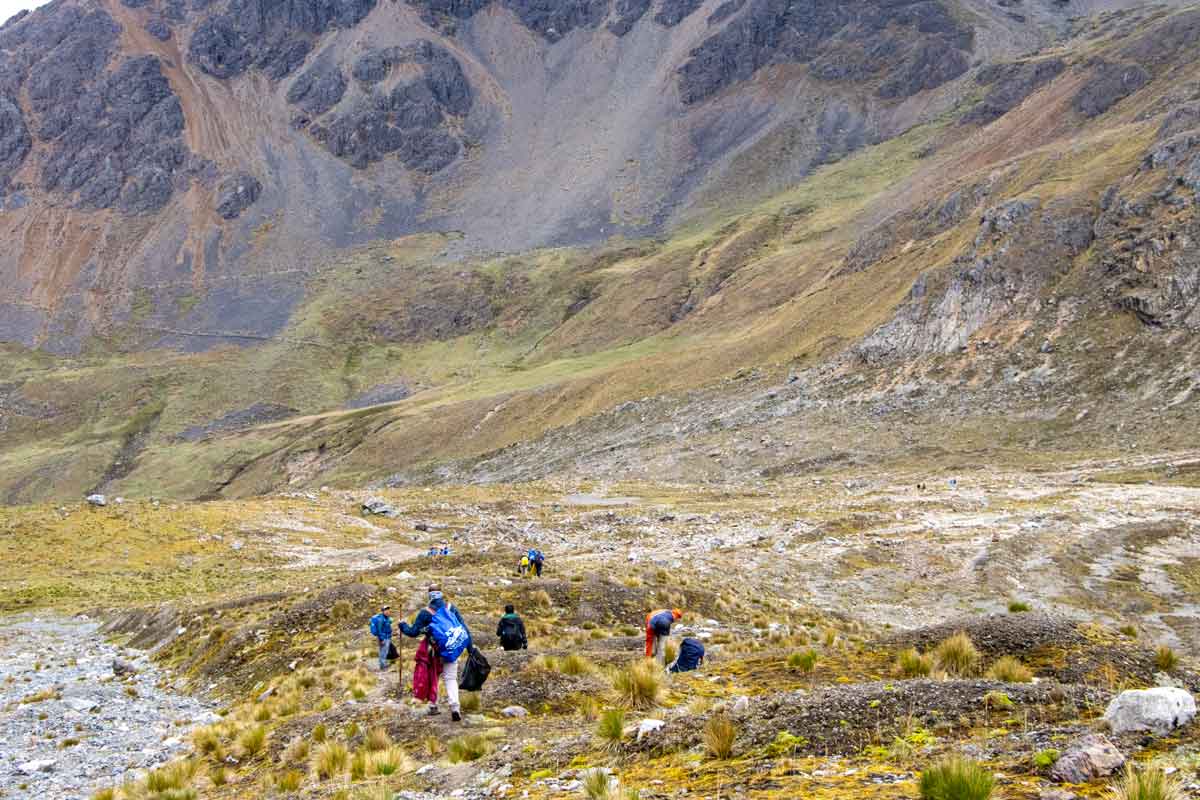
Volunteers collected trash such as plastic bags, bottles, wrappers, and other waste. The first hour was intense, as the Salkantay route is heavily used by trekkers, cooks, muleteers, and horses. After two hours of work, the group reached Salkantaypampa, where they rested at a small local market run by two local children. Here, volunteers offered a short training session on proper waste management—explaining how trash can be stored in a garbage bag and taken to Mollepata to be placed in the town’s waste containers.
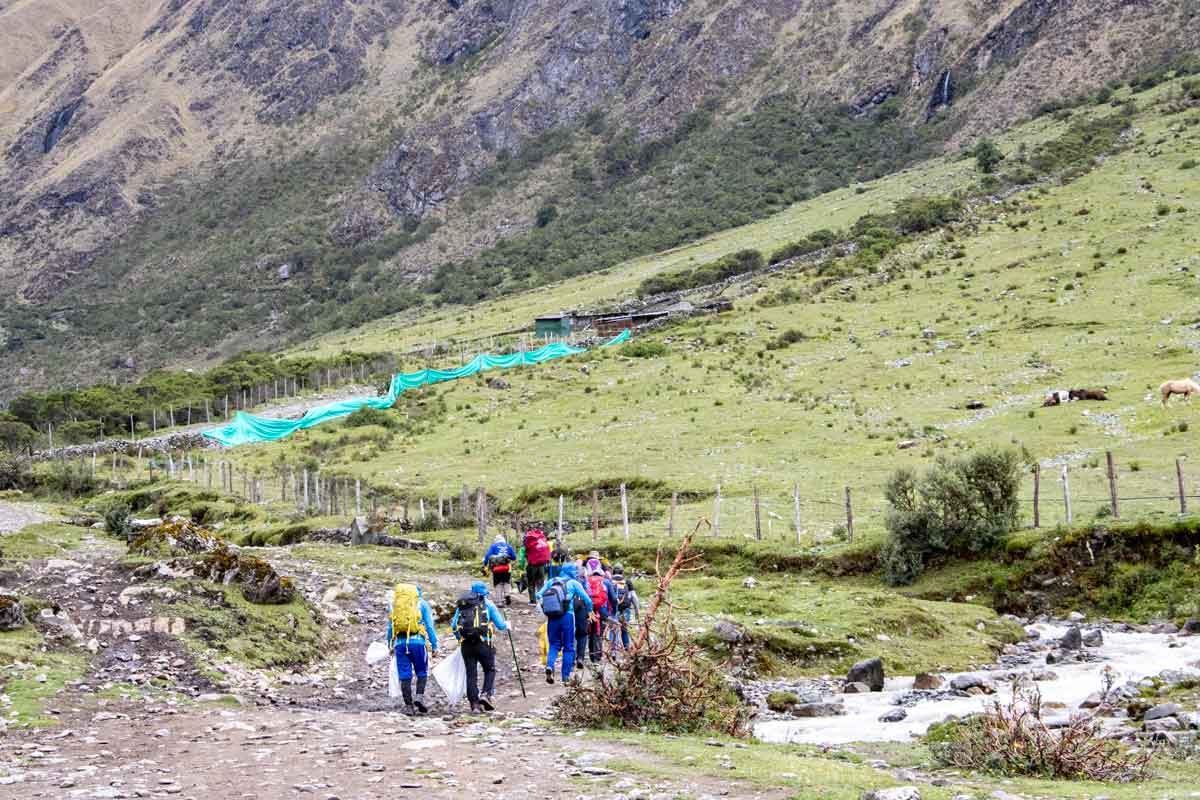
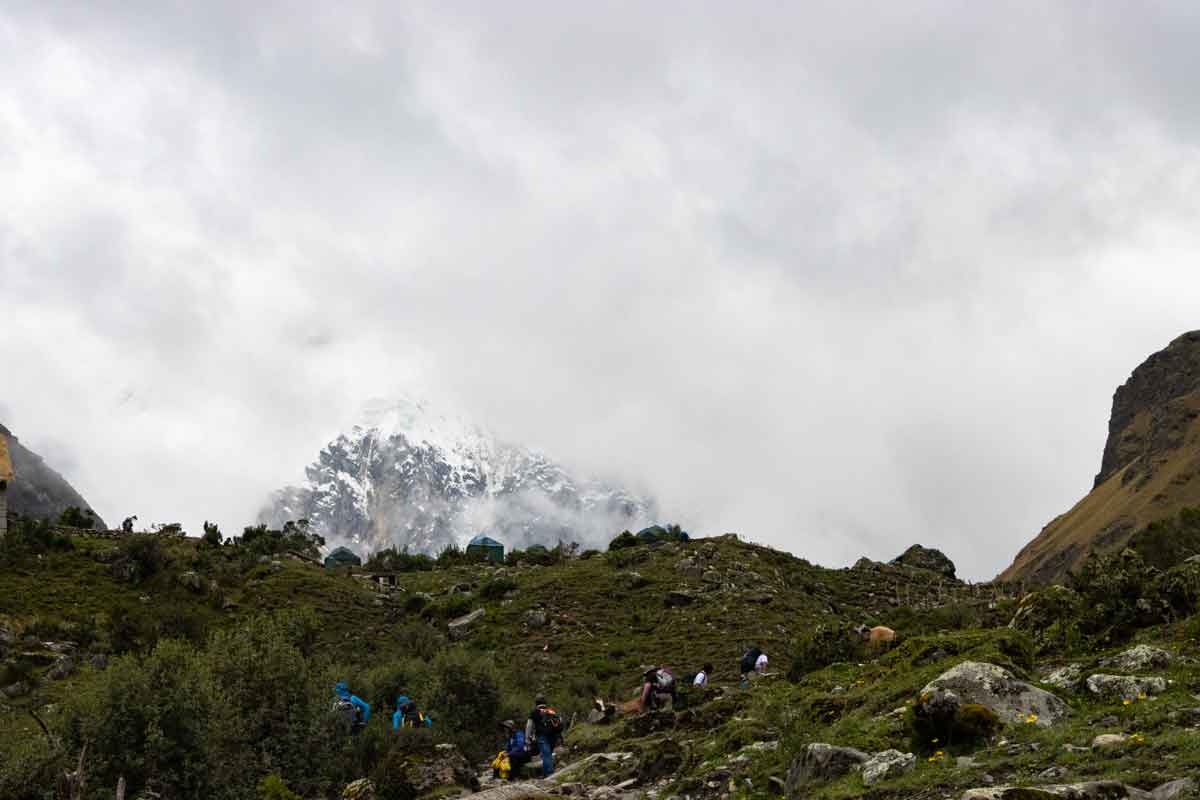
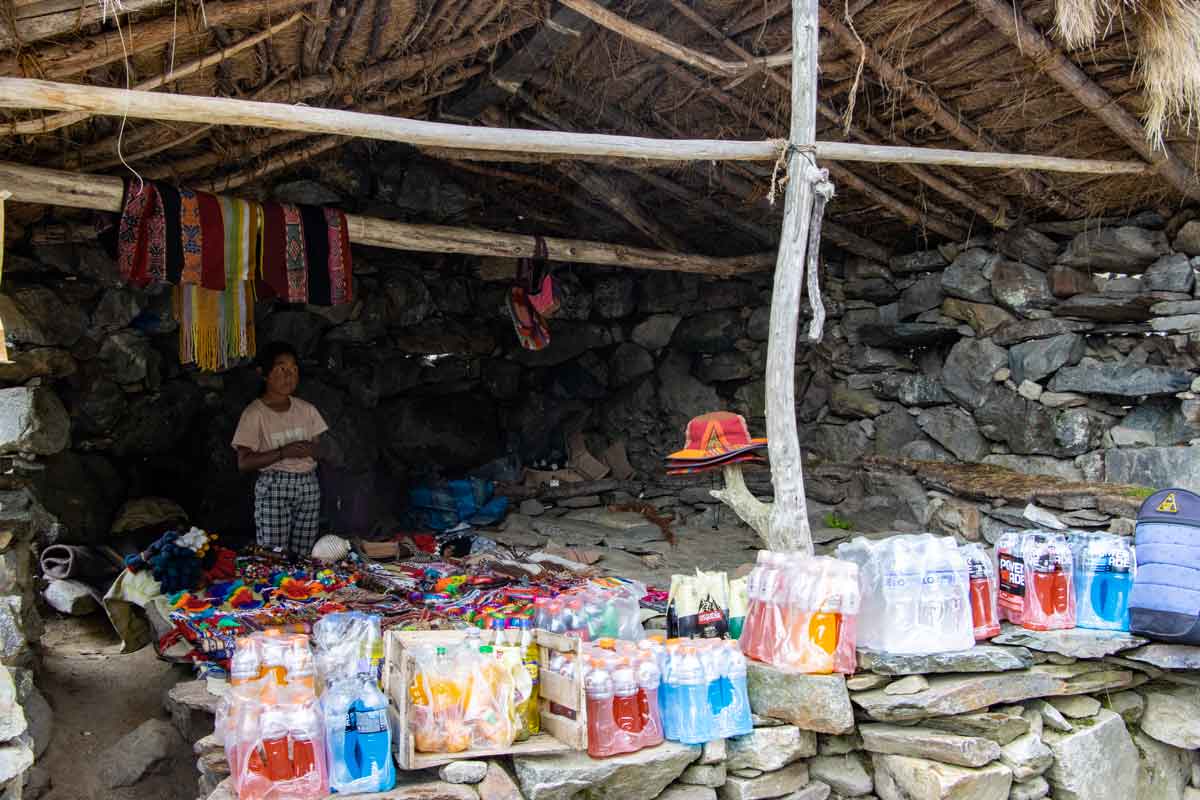
The team continued climbing to the Pajonal campsite, searching for trash behind rocks and hidden in the vegetation. Volunteers worked with determination, finding garbage bags left by companies operating along the route, some containing plastic bottles, bags, and empty oil containers. This caused frustration, as many businesses depend on this beautiful area but some still fail to care for it responsibly.
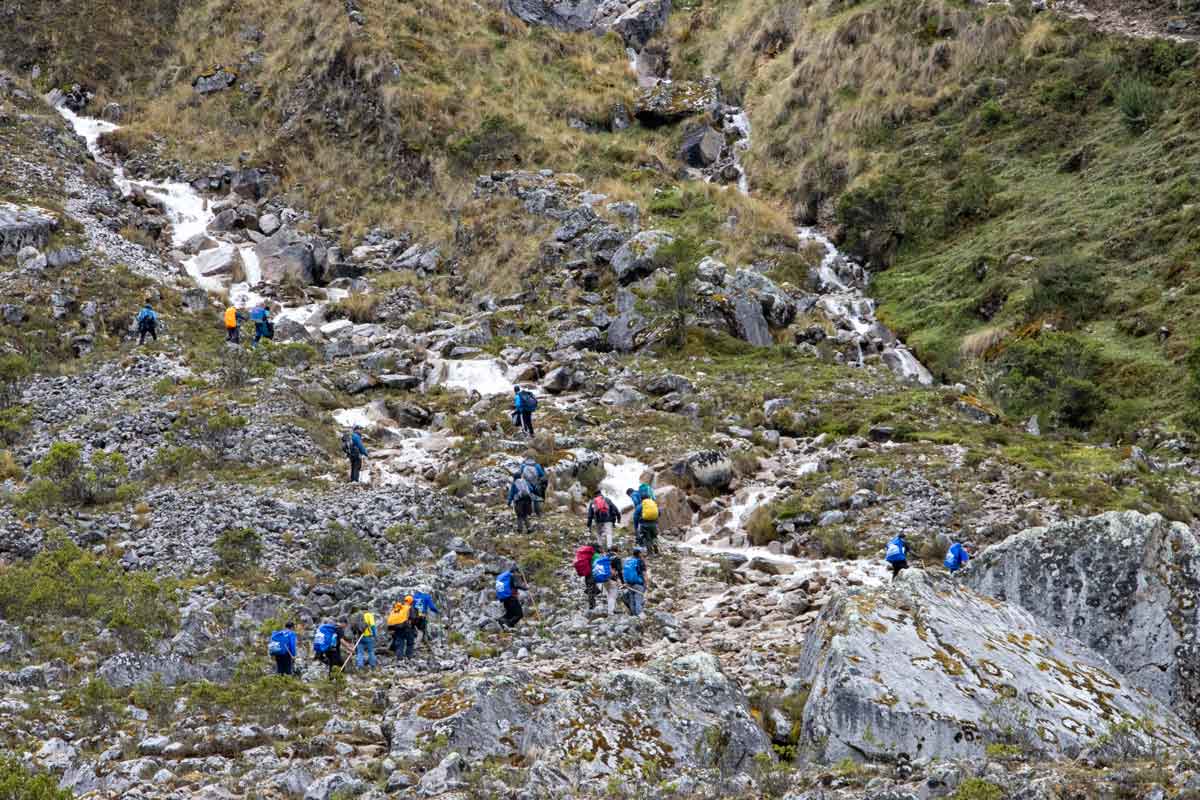
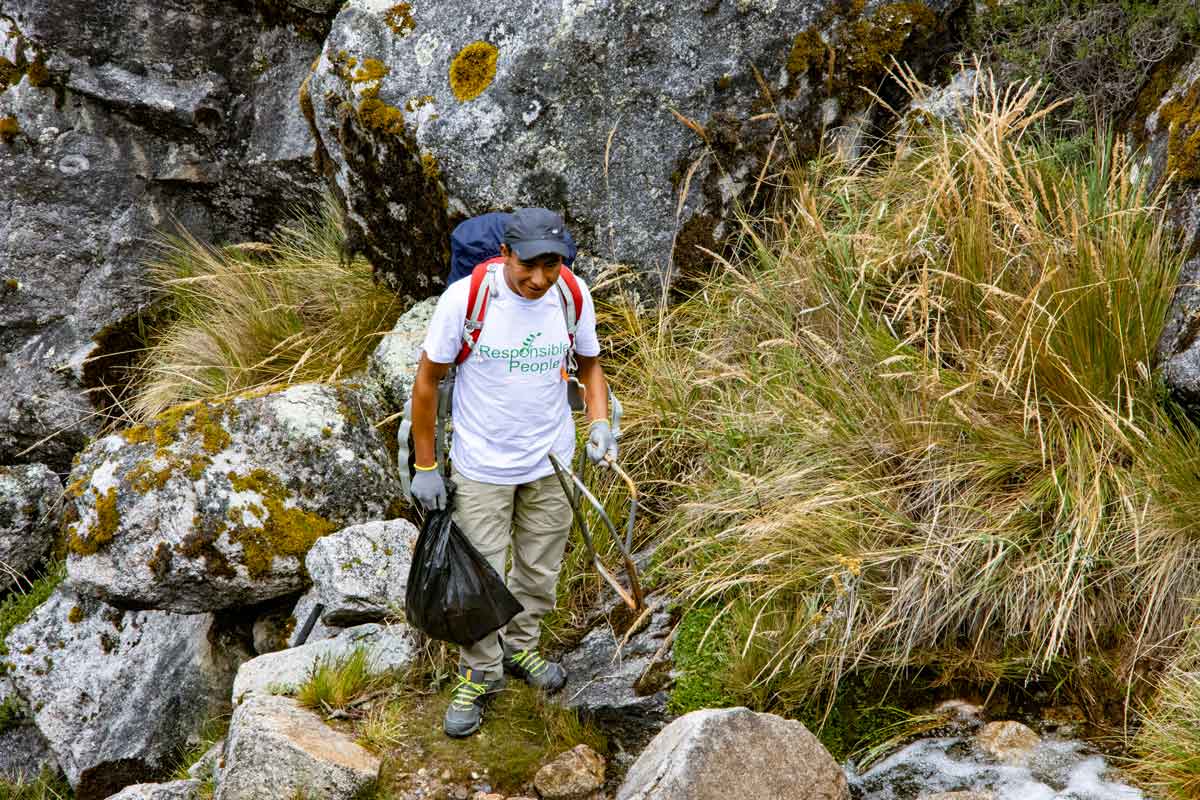
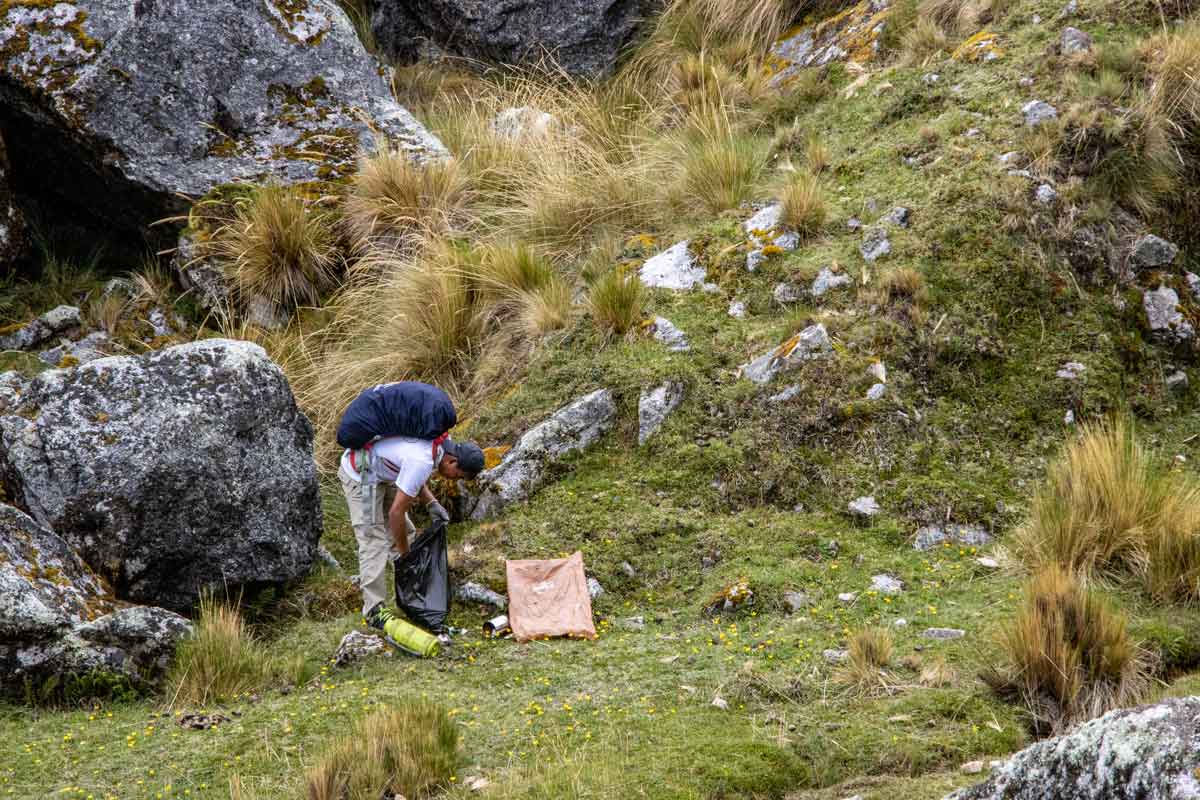
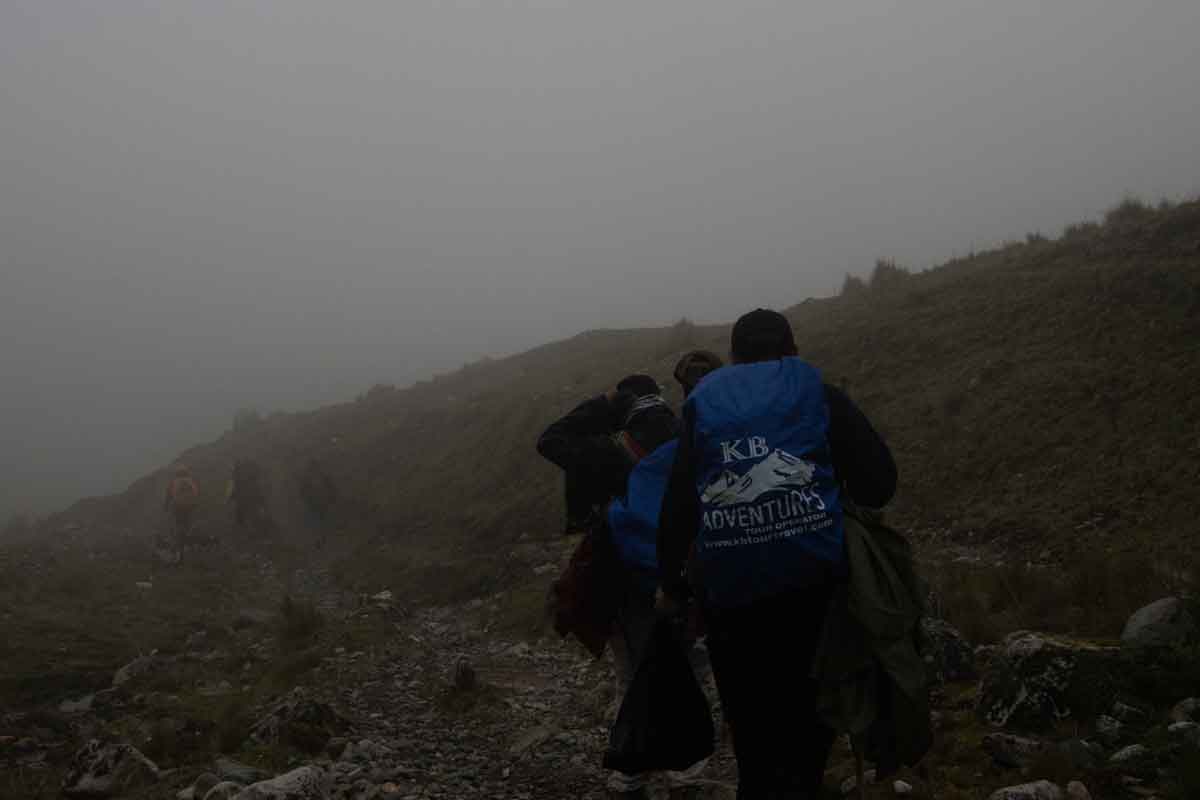
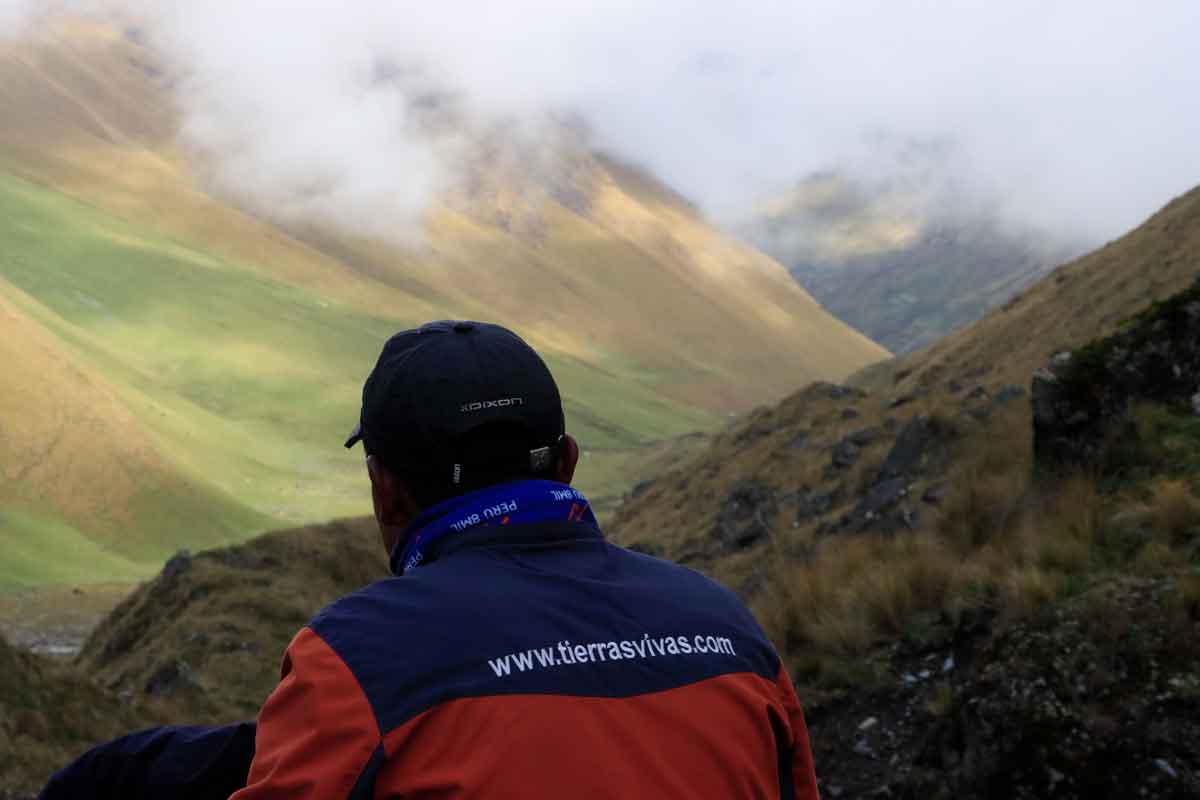
At 4,550 meters above sea level, rain, hail, and heavy fog made the cleanup even more challenging. Despite the harsh conditions, the group continued until they reached the Incachiriaska Pass (4,850 m). There, a small ceremony was held in honor of Apu Salkantay. Moments later, the sky cleared, revealing stunning views of the lagoon and the snow-capped mountain.
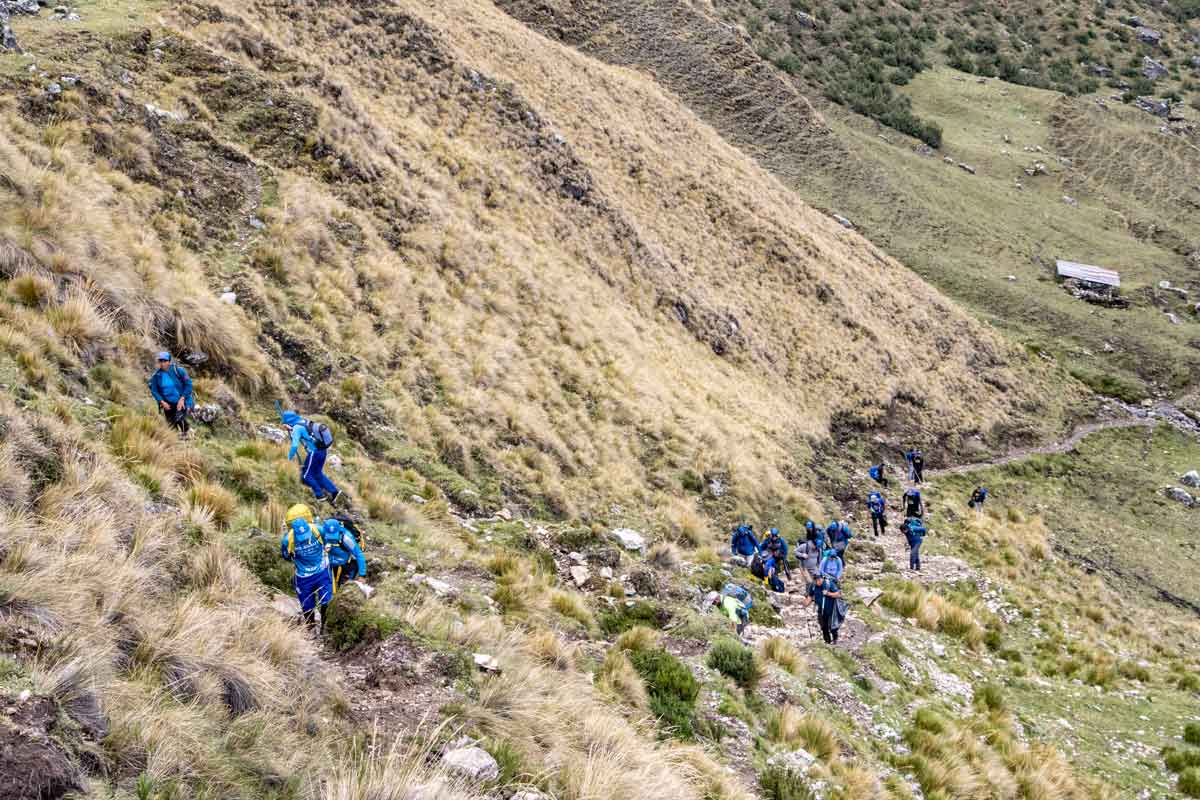
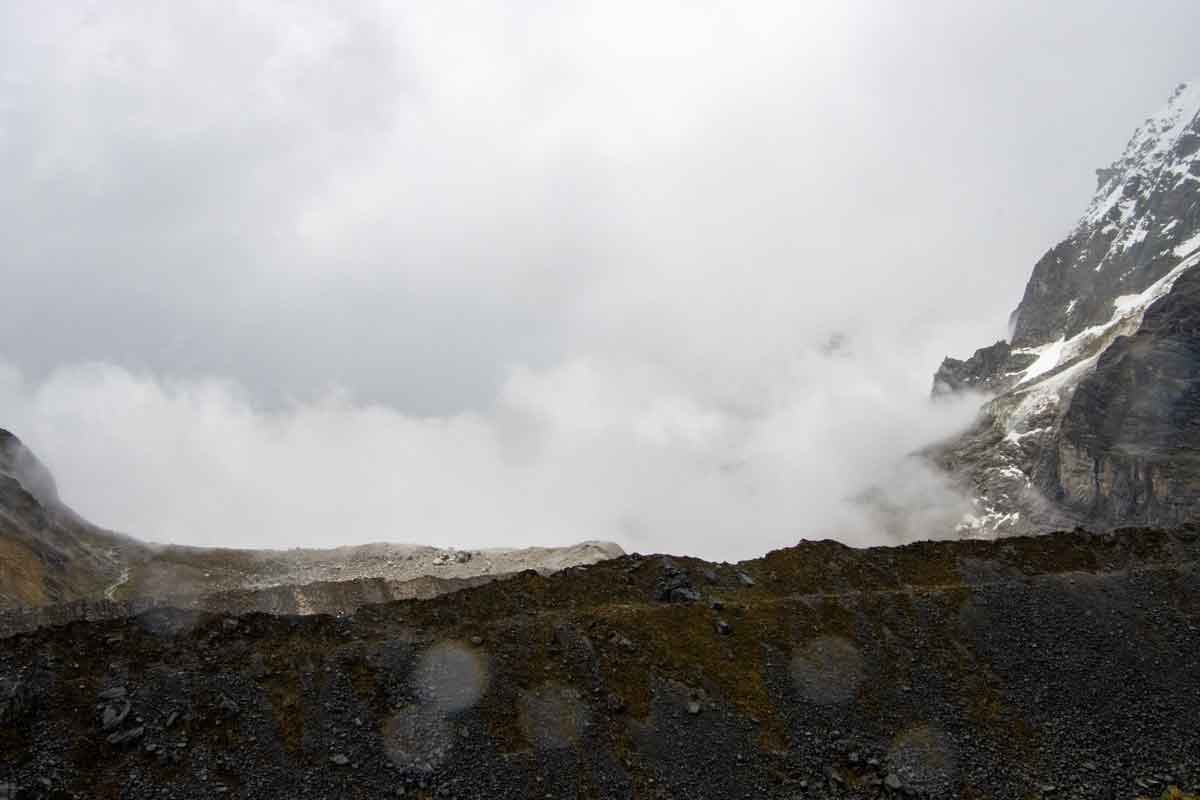
The descent continued to 4,200 meters, where the team stopped for hamburgers to regain energy before cleaning more sections of Route 6. By 4:00 PM, worsening fog again reduced visibility, preventing the group from seeing the Inca Canal—an ancient water system built by the Incas. They proceeded to the Pampacahua campsite for the first night, encouraged by the belief that working together can bring significant change. Their message: Let’s protect this route.

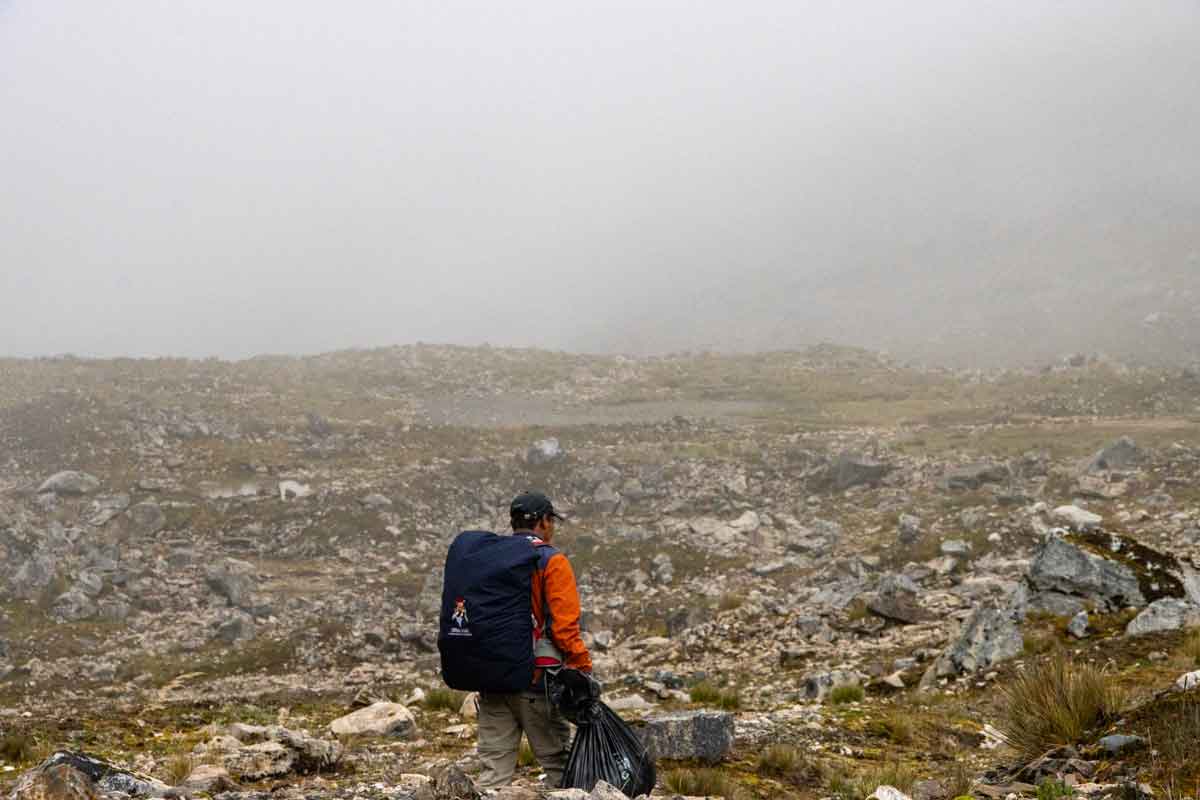
Day 2: Continuing the Clean-Up Effort
The team met at 5:00 AM and prepared for the second day of the expedition. After breakfast, they observed the river and the Inca water channel that once directed it to Paucarcancha. From over 4,000 meters above sea level, the group descended into the valley, removing plastics and other waste. The search became more challenging due to dense vegetation, but volunteers continued collecting bottles, bags, and various discarded items.
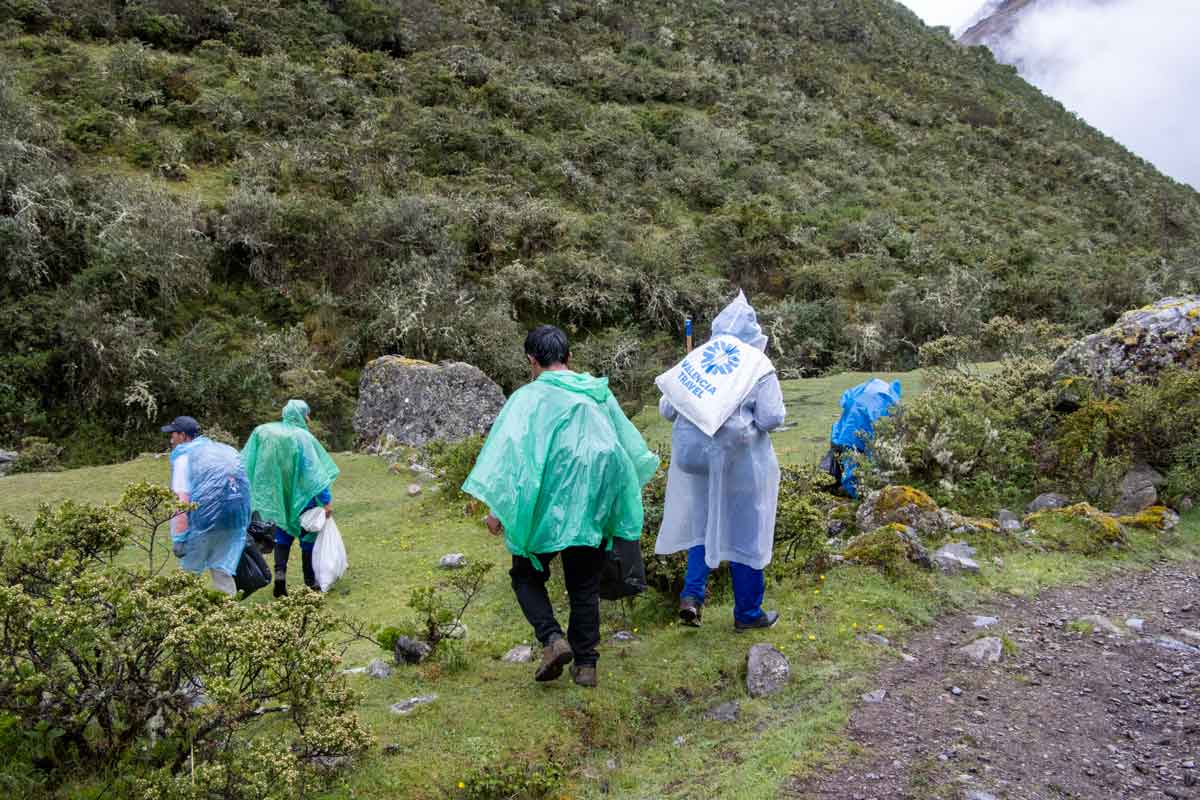
After two hours of work, the team arrived at the archaeological site of Paucarcancha, greeted by sunshine and stunning views. A small meeting was held to express gratitude to the expedition coordinator. Special recognition was given to Mr. Juan Asin from Qhapaq Ñan Adventure, as well as the support and collaboration of all participating operators.
| Tierras Vivas |
| AGT KB Tours Adventure SAC |
| Qhapaqñan Adventure SAC |
| Peru Wiñaywayna Adventure EIRL |
| Action Peru Trek SRL |
| Incas Journey Adventure EIRL |
| Machu Picchu Terra SRL |
| Ausangate Travel SRL |
| Valencia Travel Agency SAC |
| Amazing Adventure EIRL |
| Inversiones Cusco Explorer´s EIRL |
| Tierra Biru Viajes EIRL |
| TreXperience Peru EIRL |
| Peru Fantastico |
| Inversiones Inca Trail Reservation |
| Crossover Peru SAC |
| Cusco Native Travel Agency EIRL |
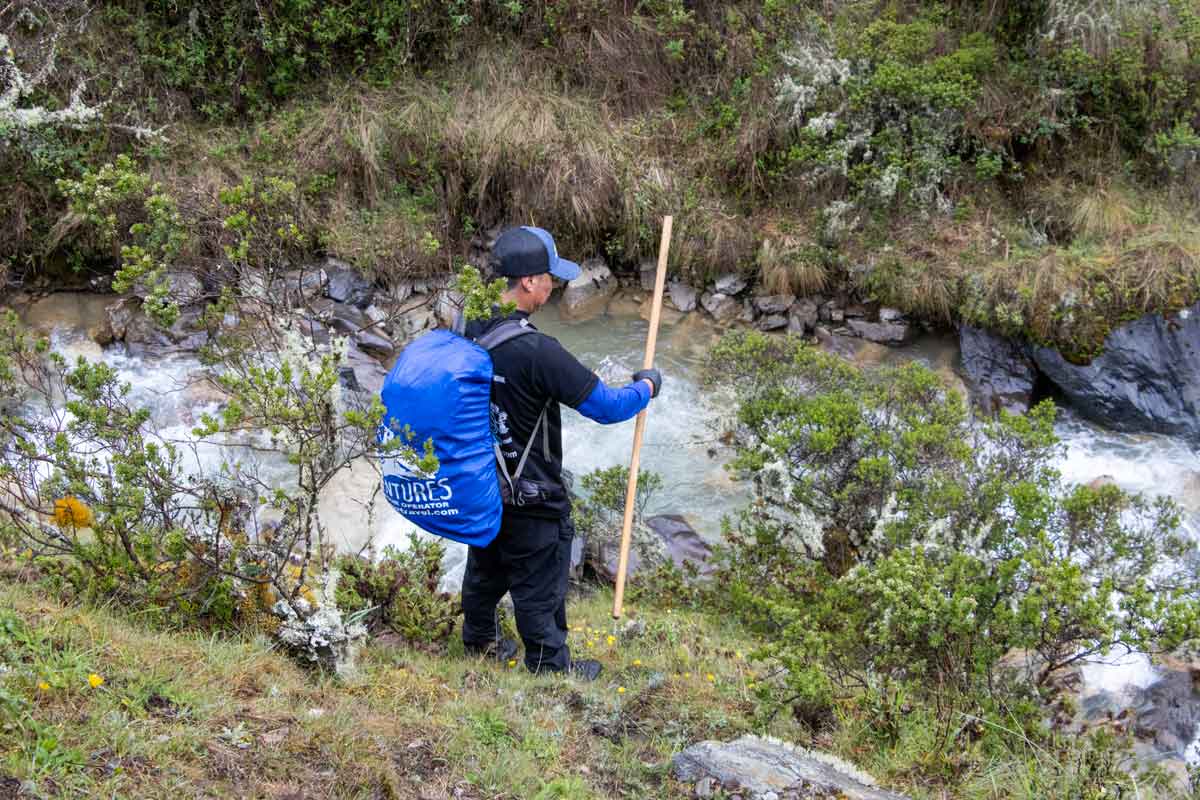
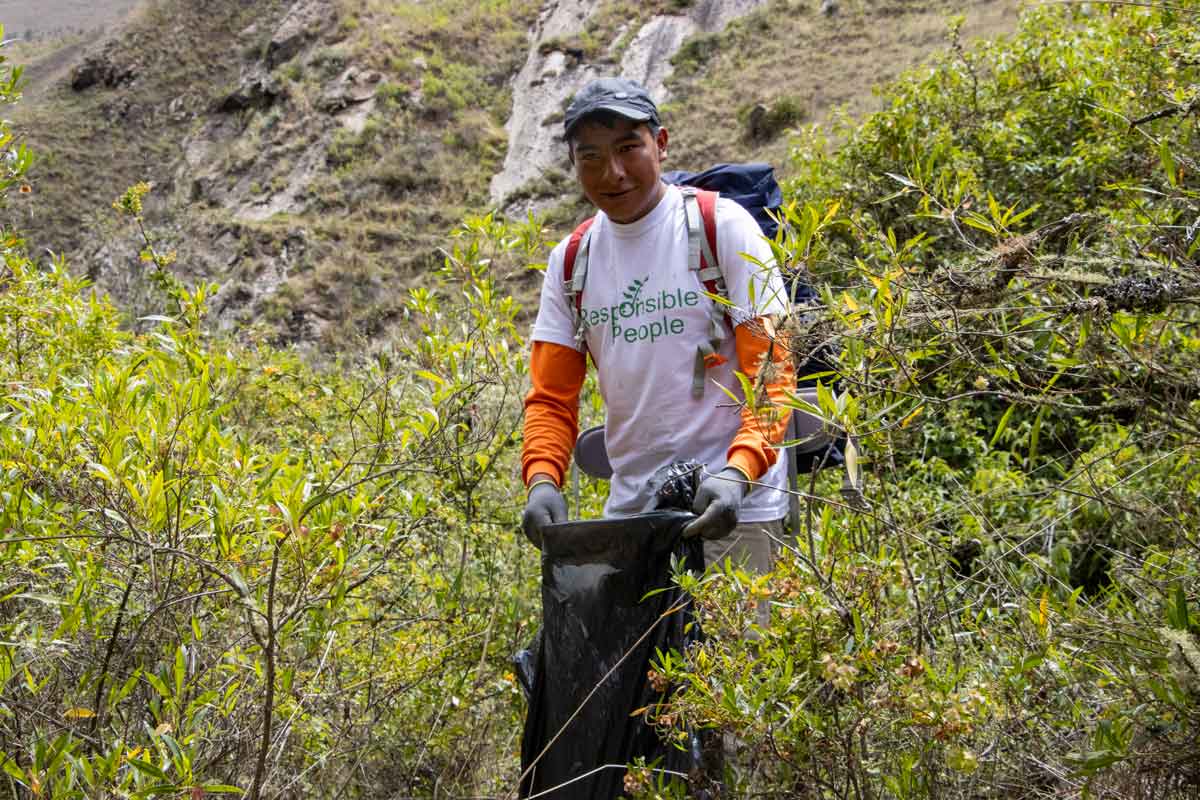
More than 200 kilograms of trash were collected, including plastic bottles, bags, and other waste. This trash was transported to Km 88, then taken to Cusco in coordination with SERNANP (National Service of Natural Protected Areas).

Acknowledgments
Responsible People extends its deepest thanks to all participating tourism companies, including our partner Tierras Vivas, for involving us in this meaningful effort. With everyone’s support, the cleanup of the Inca Trail—from Soraypampa to Huayllabamba—was a success.
PS: There was joy, unity, and a shared belief that small actions, done together, can protect our mountains for generations to come.
