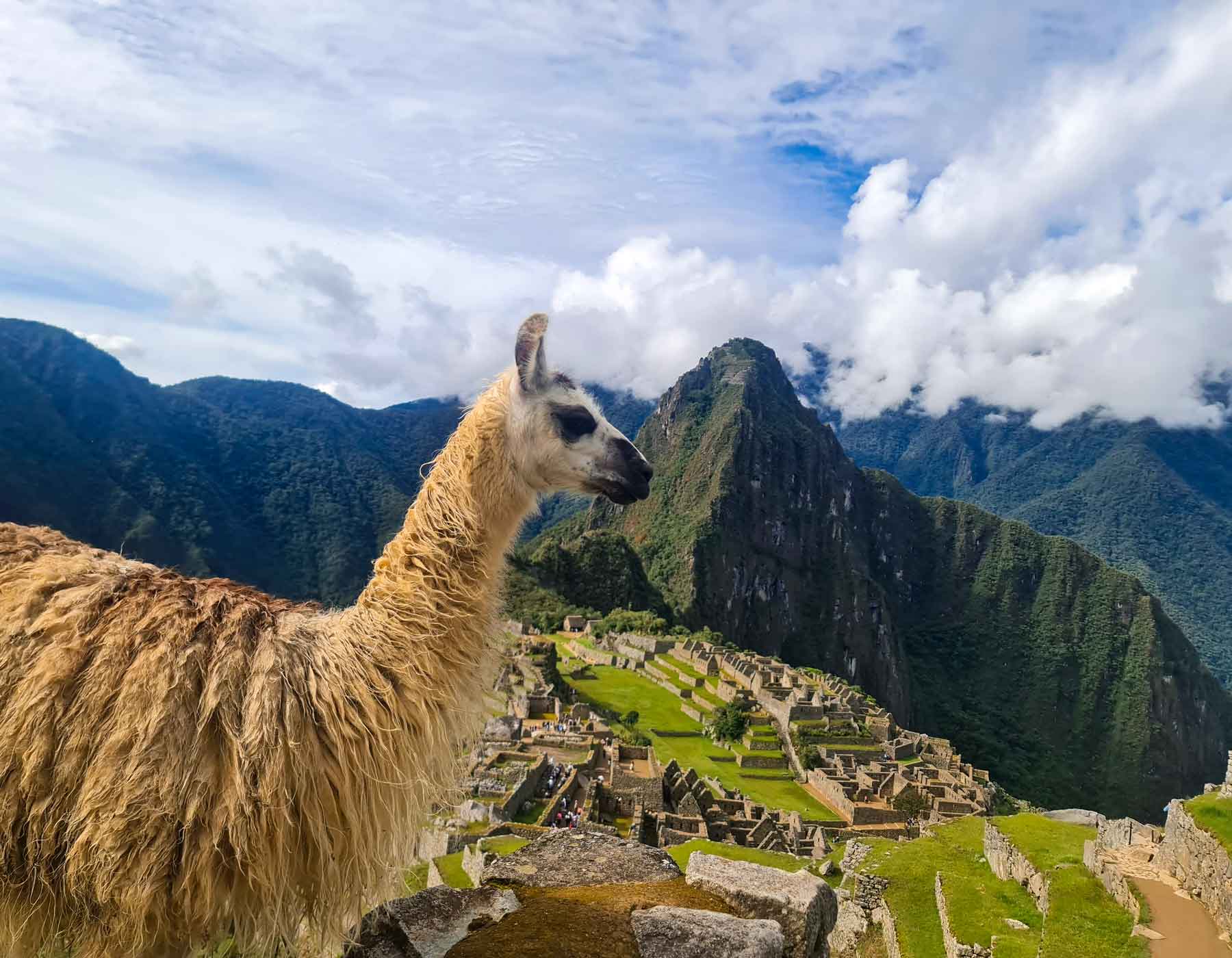
Machu Picchu Wildlife Explorer
The Inca Trail within the sanctuary area extends more than 300 kilometers. Among its routes, the famous Route No. 01—better known as the Km 82 Inca Trail, covering approximately 46 km—is one of the most iconic trekking paths in the world. Along this route, travelers can admire remarkable Inca engineering, including stone bridges, terraces, drainage systems, and multifunctional archaeological complexes built with precision and purpose.
The Machu Picchu citadel is considered a sacred space where the Incas made offerings to Pachamama (Mother Earth) and to the sacred mountains known as Apus. These include Machu Picchu Mountain, Waynapicchu, Putukusi, Llactapata, and higher-ranking Apus such as Waqaywillki, Pumasillu, and Salkantay. The land and its surroundings were revered, used for agriculture, ceremonies, sacrifices, and spiritual rituals.
Do you Know?
The Machu Picchu, Salkantay and Inca Trail representing 0.03% of Peruvian territory; however contains a large biological and ecosystems diversity of our country as shown in this table:
| Places | Mammals | Birds | Anphibians | Reptails | Butterflys | Plants |
| Peru | 523 | 1847 | 624 | 446 | 4154 | 20585 |
| Machu Picchu / Inca Trail | 77
(14.7%) |
427
(24.1%) |
16
(2.4%) |
25
(5.6%) |
377
(9.1%) |
3250
(15.8%) |
Machu Picchu Animals
Biologists have identified many species of animals and plants along the Inca Trail and within the Machu Picchu sanctuary. As you hike from Km 82, the starting point of the Inca Trail, to the Machu Picchu citadel, you can spot some of the most popular animals of the region. However, many species live deeper in the protected jungle areas, far from the main trail. If you want to observe these more elusive animals, you can explore the dense forest within the Machu Picchu reserve.
The most popular animals include:
- Andean cock-of-the-rock
- Spectacled bear
- Toucans

How Can We Tackle Climate Change?
Responsible People encourage travelers to help protect these beautiful places so they can be preserved for future generations. Your actions during your visit can make a real difference.
SERNANP – Historic Sanctuary of Machu Picchu is implementing a program to restore degraded areas and reforest them with native plant species.
They also monitor the Inkachiriaska snow-capped mountain and carry out prevention campaigns, as well as work with local communities to combat forest fires.

