Shared Andean Life: Creating Memories for Travelers
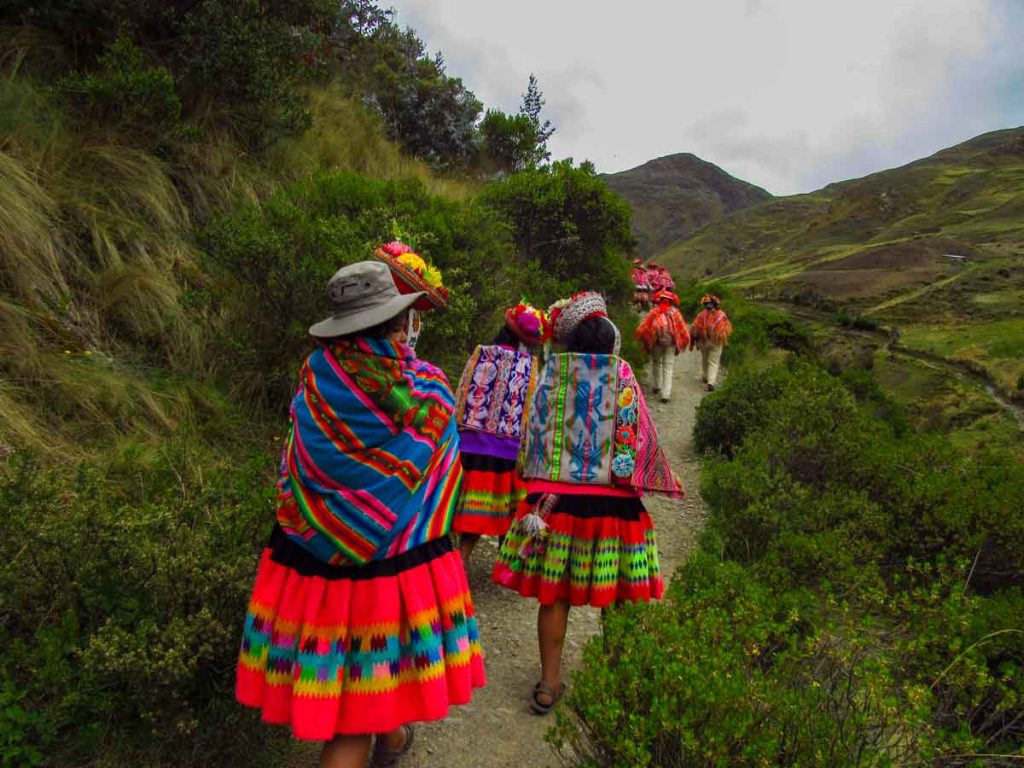
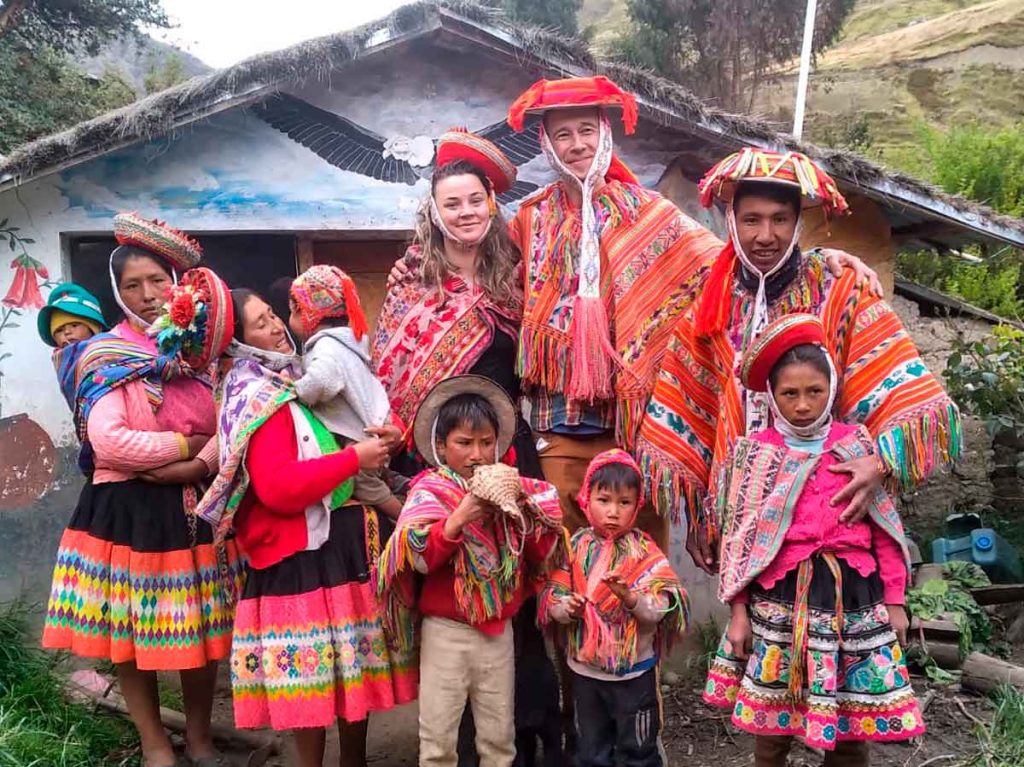
Responsible People is developing social tourism projects that allow Andean families to share their history and culture directly with travelers in their homes.
Together with our partner travel companies, we work to improve the quality of life of Andean families. Every year, many fathers and men from these communities must leave their homes to work as porters. Some cooks and porters collaborate with our travel partners, where they receive fair treatment and decent pay. However, others work with different companies to support their families, and with the ongoing economic challenges in Peru, this has become increasingly difficult.
To address this, Responsible People and our tour operator partners are working together to improve family livelihoods—so that the head of the household can continue working as a porter while also sharing his history and way of life at home during his days off. This project began with just two families, and we are now training more families so they too can benefit from tourism, which serves as a meaningful way to improve their lives and preserve their traditions.
Our working model focuses on improving and preparing family homes to make them welcoming and comfortable for travelers—without losing their authentic Andean essence. Each home is carefully maintained, with meticulous cleanliness and respect for traditional living. We provide training in areas such as food preparation, hygiene, safety, and hospitality, ensuring every visitor feels at home while experiencing genuine Andean life.
We also guide travelers who wish to immerse themselves in local culture and connect with families eager to share their stories. Each itinerary is developed in close collaboration with the families to ensure a high-quality, respectful, and enriching experience for both hosts and guests.
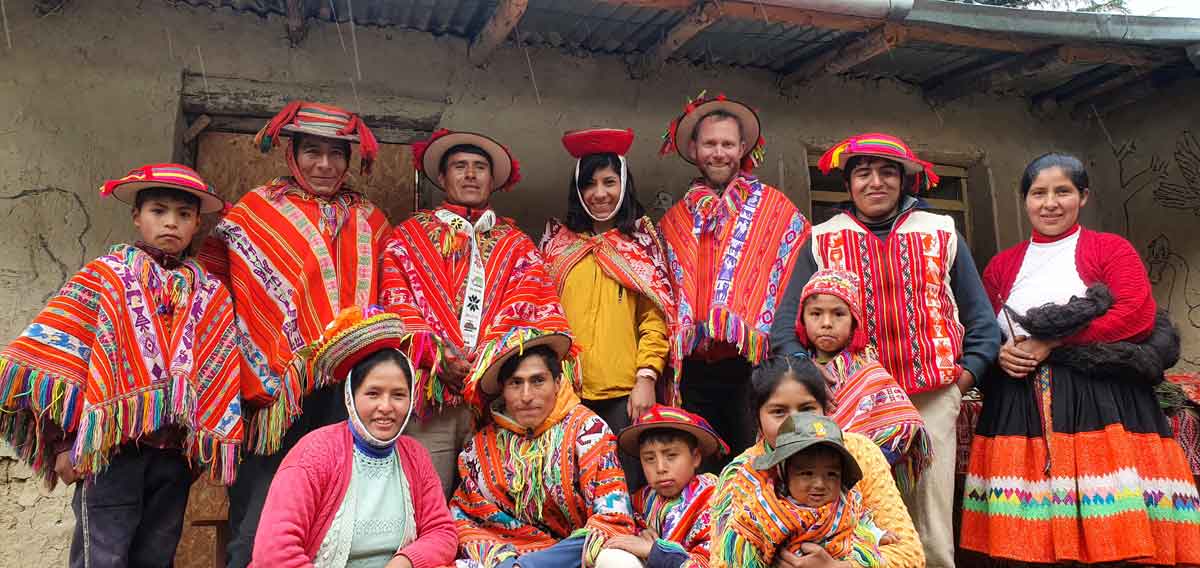
Our travel partners promote these experiences and bring travelers who want to learn, share, and create memories with Andean communities. Together, we have already improved the lives of several porter families—but our mission continues. Our goal is to train and empower many more families and communities to share their culture and stories across the Andes.
Be part of our story — travel responsibly, connect with our partner agencies, and experience the true essence of Andean life through unforgettable cultural journeys.
Working with Families: Building Real Connections
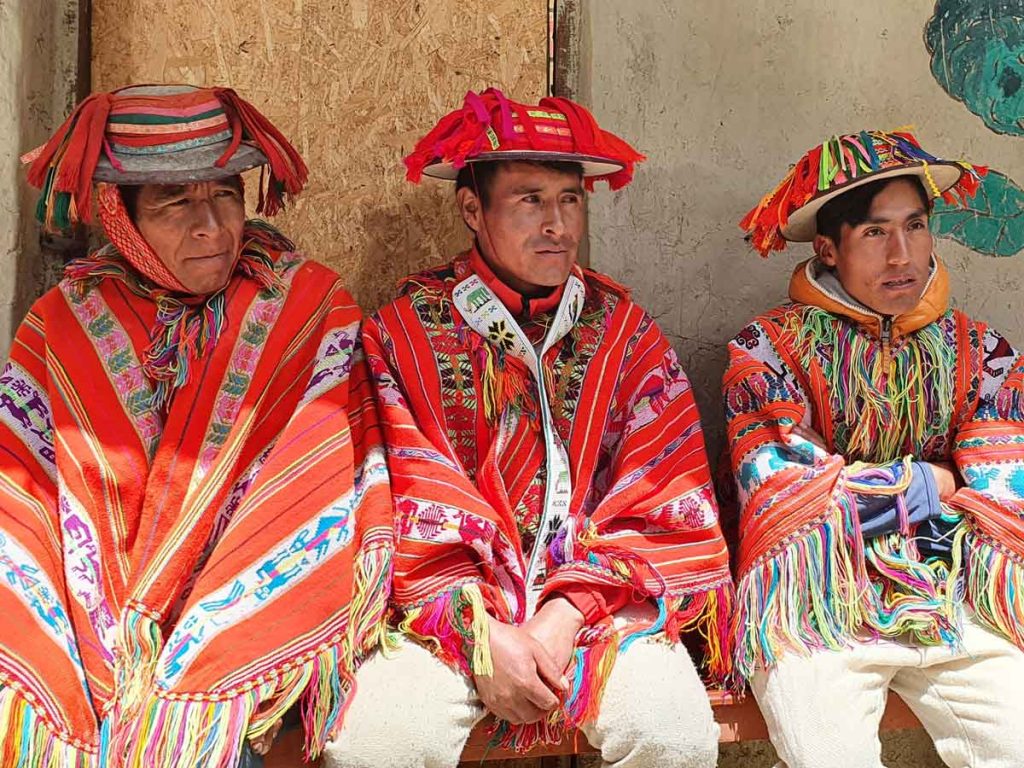
Responsible People contact principal families in the communities to investigate the situation of the families and community, where Responsible People provide support. Then we have a meeting and explain to all families about our projects. Once we receive their replies and offers, we hire specialists trained in community homestays, client attention, and other areas that help us improve our tourism community projects.
Our specialists also investigate the traditions, culture, and culinary practices to recover and offer this experience to our travelers who visit our communities. Once we have this information, we check the homes and improve the house and accommodation to receive travelers while preserving the traditions and traditional way of life. In this experiential learning, we strive to ensure that everything we experience with them is real and reflects the everyday way of life in their communities and families.
Once the accommodation is ready, the next training focuses on food—it is very important to provide this training so we don’t lose any Andean products.
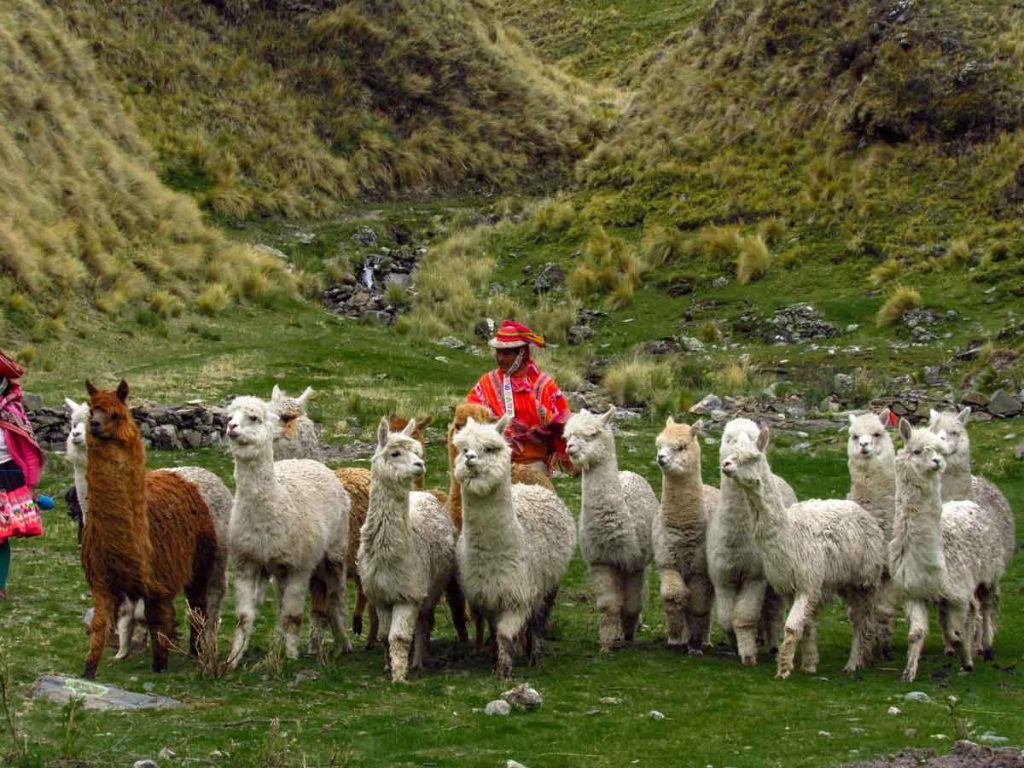
We also investigate the community’s work with old tools, raising llamas and alpacas. With this information, we build our project—this is our first step to continue working with them.
Then other specialists go to the communities to prepare the itineraries according to the culture and traditions of the communities. Once the homestay is prepared, we look for a place where we can show the traditions and introduce travelers to each family; usually all families present themselves by their last name.
Once Responsible People have everything set, we contact our travel partners and send the itinerary so they can promote their travelers as having a unique Andean life and cultural immersion tourism experience. We also work with other travel partners who want to help share our experience of the communities.
Immersion Cultural Itinerary – Cusco
This itinerary can vary according to the families in the communities. Other families can add more activities to their itineraries. The goal is to show the Andean life of the families without any restrictions.
1. Arrival and Meeting with the Families Introduction to all families and travelers. Usually, they ask your name in the Quechua language with the question: “Ima Sutiki?” (What is your name?)
2. Welcome Once everyone knows each other, the families are pleased to welcome you and are happy to introduce their traditions and culture.
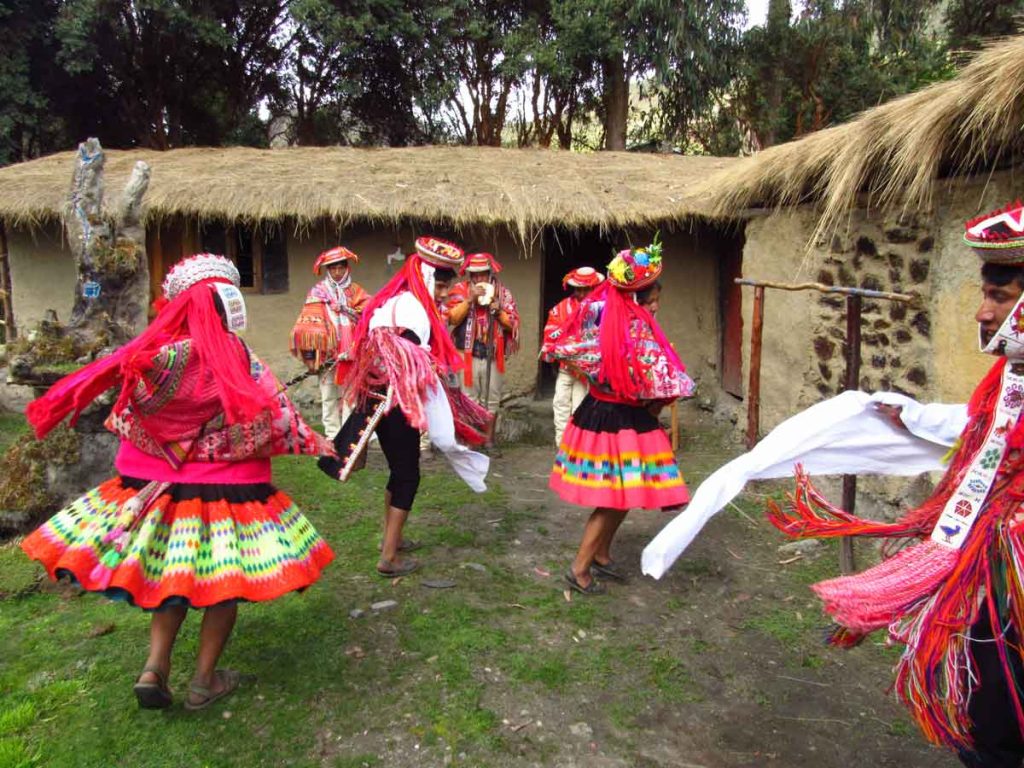
3. Traditional Dance and Refreshments The families will perform the traditional dance of the community and teach you how to dance. You will dance with them. Afterward, they will offer you hot tea or coca tea before beginning the experience.
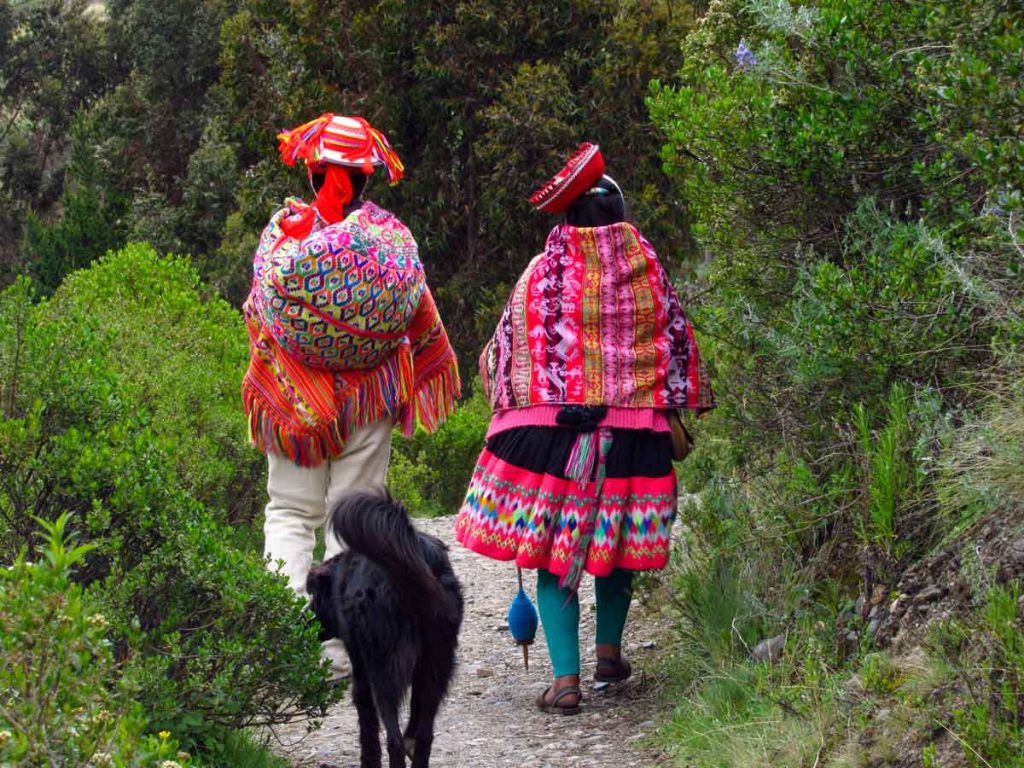
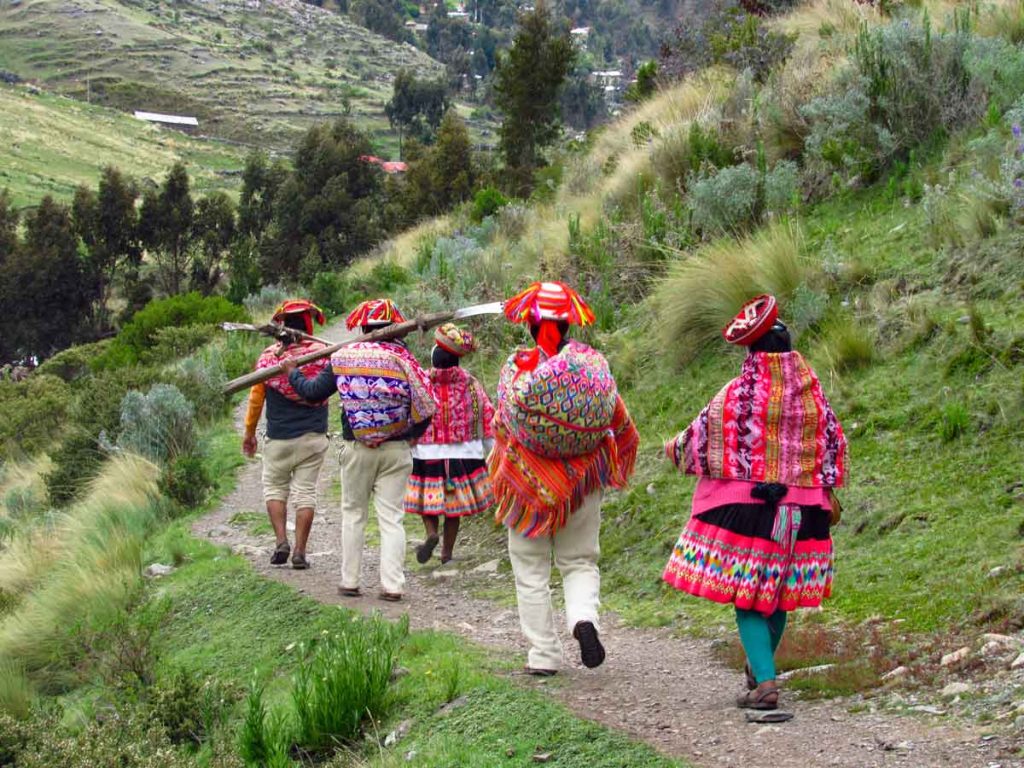
4. Trek to the Animals You will walk up to the mountain where the llamas and alpacas are located. The hike takes approximately 20 to 40 minutes.
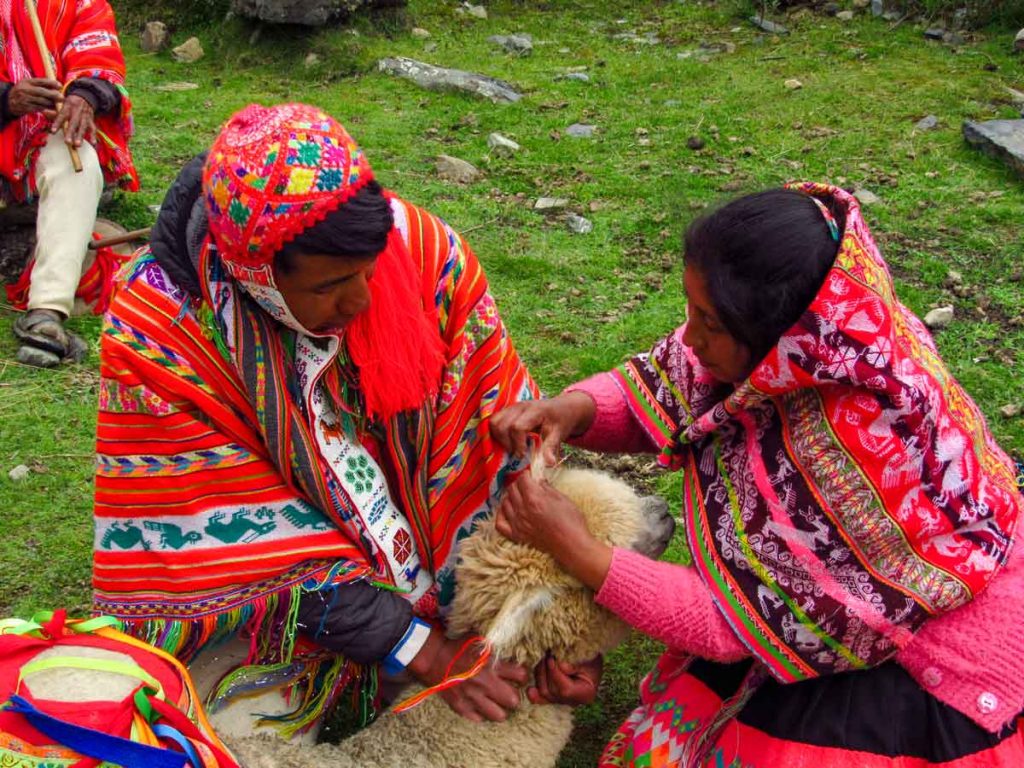
5. Introduction to Llamas and Alpacas The families will introduce you to the animals, explain the differences between llamas and alpacas, and show you how they work with them daily. They will also present their traditions. You will then walk down the mountain and stop to view the next experience.
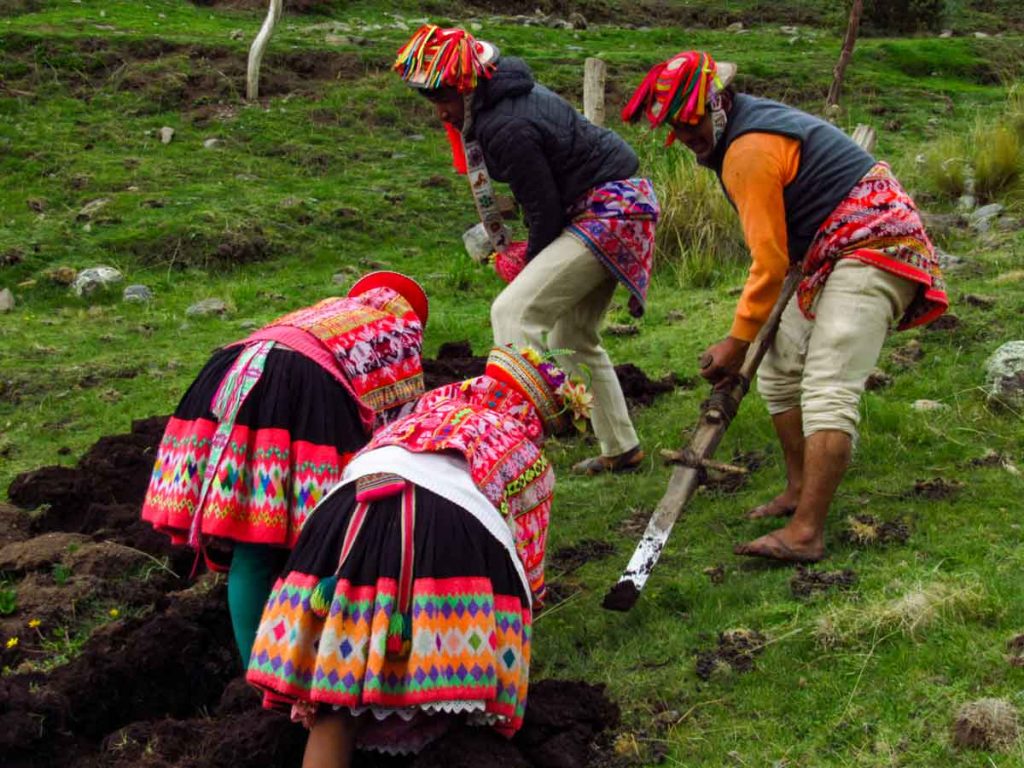
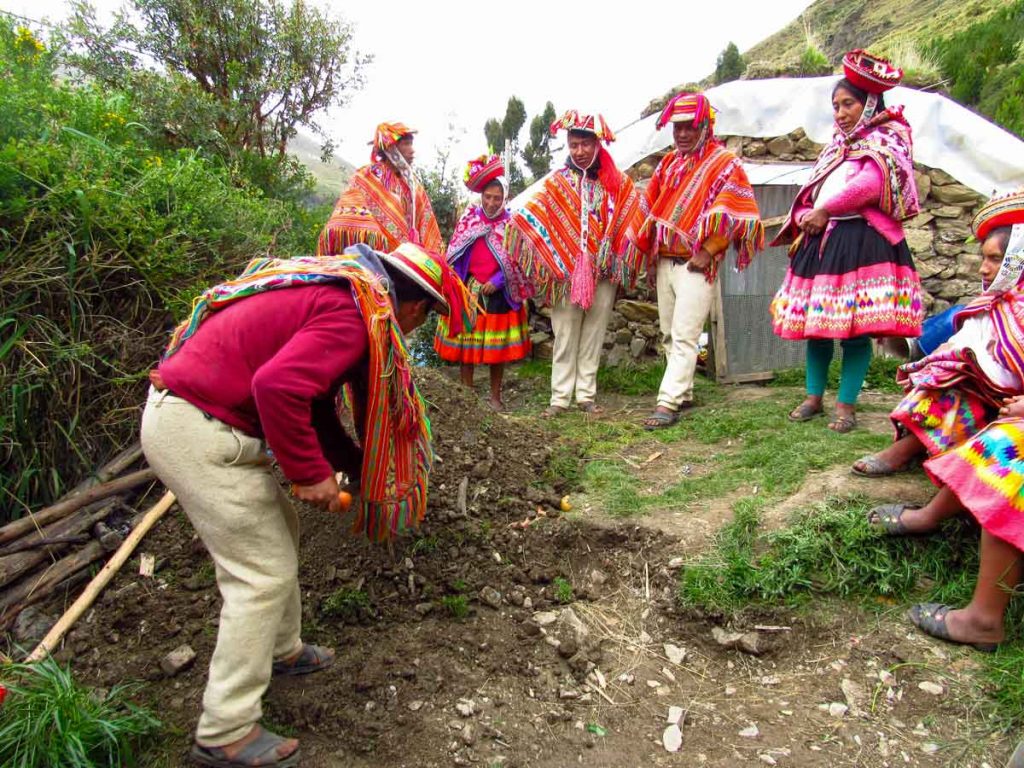
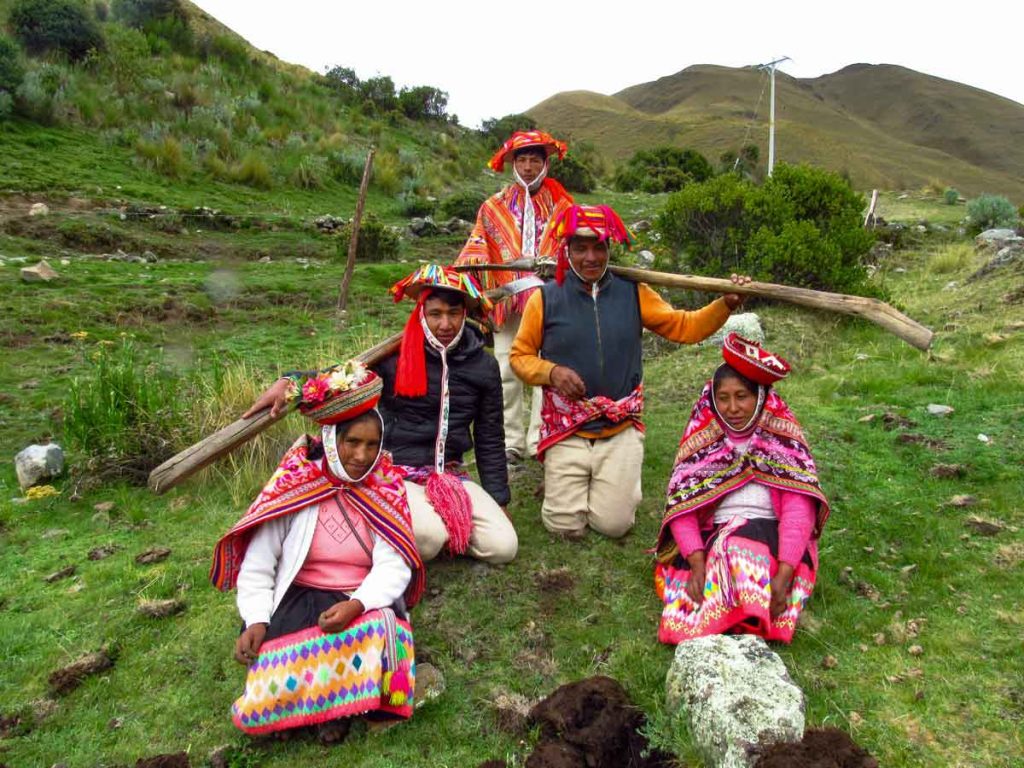
6. Agricultural Work and Ceremony The families will show you their farm and how they cultivate potatoes. You will see their ancestral tools and can participate in planting potatoes. First, a small ceremony is held to thank Pachamama (Mother Earth). Then you can try chicha de jora (a fermented corn beverage).
7. Potato Cultivation You can participate using the chaquitaclla (foot plow) to open a furrow for planting potatoes. Once finished, you will give thanks again to Pachamama before descending for lunch.
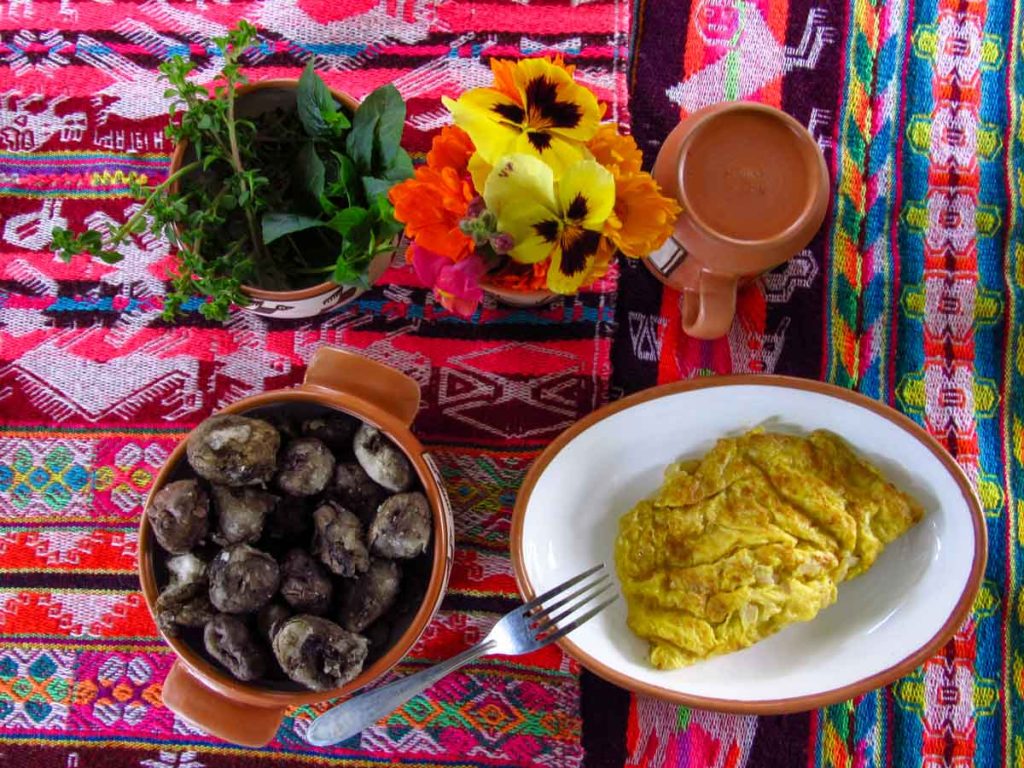
8. Traditional Lunch The meal varies depending on the family. They may serve alpaca meat or prepare the traditional Pachamanca dish. The families will show you how it is cooked and then serve it for lunch. Afterward, you will have a break.
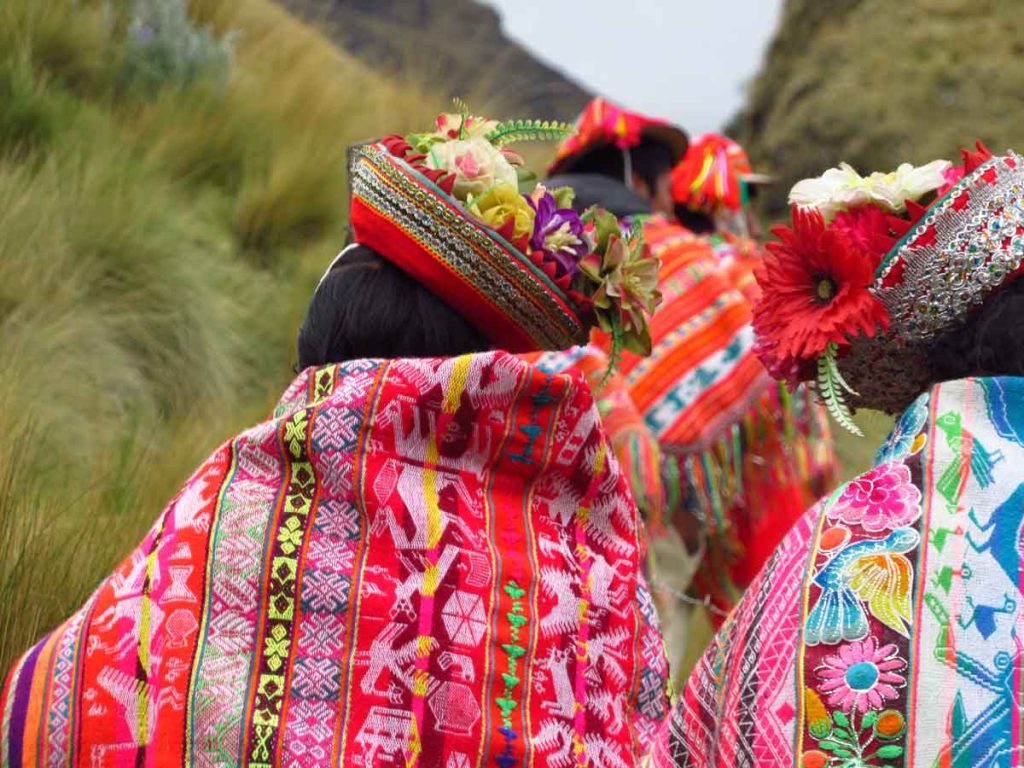
9. Medicinal Plants and Textile Weaving You will return to the starting point where the women will present the medicinal plants of the area and their uses. Then they will begin with textiles—you can weave your own bracelets and see how wool is dyed with local products and plants.
10. Community Market and Farewell The families will set up a small market where you can buy their handwoven textiles and crafts, which also helps them earn extra income. Once the market ends, the whole family will say goodbye and thank you for your visit.
End of Itinerary
Note: If you stay another day in the community, the host family will accommodate you in their home and show you more activities in the community.